
Selling a House As-Is: What It Means and What It's Worth
As-is doesn't mean 'no disclosures' and it doesn't mean the buyer can't inspect. Here's what it actually means, what it costs you, and when it's the right move.
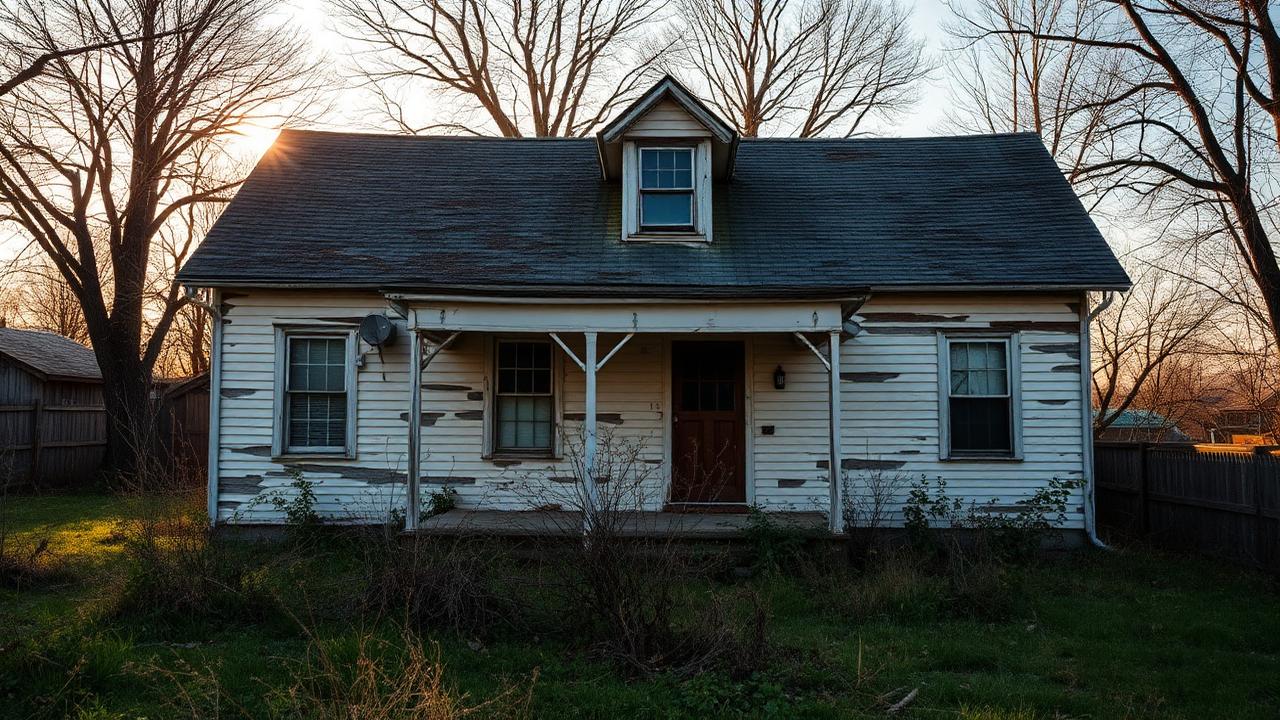
"As-is" is one of the most misunderstood phrases in real estate. It does not mean a seller is off the hook for disclosures, and it does not mean the buyer can't walk after inspection. It simply means the seller will not make repairs or give credits. Used correctly, as-is is a powerful way to sell a tired home without sinking another dollar into it. Used incorrectly, it's a magnet for lowball offers and contract disputes.
Our buyer network closes on as-is homes every week — fire-damaged properties, hoarder houses, code-violation cases, inherited estates full of stuff, and ordinary homes whose owners simply don't want to remodel before selling. This guide unpacks what as-is actually means, what it costs you in price, and how to know if it's the right path.
What 'as-is' actually covers
- Seller will not repair anything found in inspection.
- Seller will not credit money toward repairs in lieu of fixing.
- Buyer accepts the visible condition at the time of contract.
- Buyer takes on the cost and risk of all known and discovered defects after close.
What it does NOT cover
- State disclosure laws still apply — lead paint (pre-1978 homes), known material defects, flood history, prior remediations, septic issues, unpermitted work, and stigmatized-property status in some states.
- Buyer's right to inspect and cancel during the option/inspection period (in most states) is unchanged.
- Lender appraisal requirements still apply — FHA, VA, and USDA loans all have minimum property standards that an as-is home with chipping paint, missing handrails, or roof damage may fail.
- Federal fair-housing and anti-fraud rules — you can sell as-is, but you can't lie about what you know.
State disclosure rules at a glance
Nearly every state requires sellers to fill out a written Property Disclosure Statement covering known defects, even on an as-is sale. The form varies — Texas uses a Seller's Disclosure Notice, California uses the Transfer Disclosure Statement, and most other states use a one-page form covering roof, HVAC, plumbing, electrical, foundation, pests, water intrusion, and prior repairs. Selling without disclosure (or with knowingly false answers) exposes you to post-close lawsuits, even years later. When in doubt, over-disclose.
The pricing trade-off
As-is listings on the MLS typically sell for 10–20% below comparable updated homes, take longer to close, and attract fewer offers because most retail buyers can't (or won't) finance a home with known issues. The buyer pool narrows to investors, flippers, cash buyers, and the rare handy retail buyer with cash reserves.
Worse, retail buyers often walk after inspection anyway — even with an as-is clause, finding $40,000 of new issues during a 10-day inspection gives most buyers cold feet. The home goes back on the market, days-on-market resets, and the next offer comes in even lower. This is the as-is treadmill, and it's one of the main reasons sellers in this situation eventually convert to a direct cash sale.
How buyers actually price an as-is home
Most cash investors use a version of the 70% rule: 70% of after-repair value (ARV) minus repair cost. A home worth $250,000 fully renovated that needs $50,000 of work pencils to roughly $125,000. If your repair estimate is materially lower than the investor's, ask them to show you the line-item budget — good buyers will share theirs.
Who actually buys as-is homes
- Direct buyers (like homeinvestor.co) — cash, no inspection contingency, 7–21 day close, no agent.
- Flippers — buy at the 70% rule, renovate, resell at retail in 4–6 months.
- Buy-and-hold landlords — pay closer to retail when monthly rents support a positive cash-flow purchase.
- BRRRR investors — buy, rehab, rent, refinance, repeat. Similar pricing to flippers.
- Wholesalers — tie the property up under contract and try to assign it. Slower, riskier path with less certainty of close.
Repair triage — which fixes actually pay back
If you have a small budget and are deciding what's worth fixing before sale, the priority list rarely changes: roof, HVAC, water heater, electrical safety, and visible water damage. Cosmetic upgrades (paint, flooring) help on retail listings but rarely move the needle on a cash investor's offer because they'll redo them anyway. Skip the bathroom remodel.
Common as-is scenarios we see weekly
- Inherited estate full of personal property — we'll close as-is and you take what you want, leave the rest.
- Fire, smoke, or water damage with an open insurance claim.
- Tenant-occupied with lease in place or in eviction.
- Code violations, condemnation notices, or open permits from prior unfinished work.
- Hoarder situations where the home can't be safely shown.
- Foundation, mold, or septic issues that will spook every retail buyer.
The bottom line
As-is is a tool, not a magic word. Done right, it eliminates repairs, accelerates closing, and gets a tired property off your hands at a fair price. Done wrong — listed on the MLS to retail buyers who can't finance it — it stretches your sale by months and depresses the eventual price anyway. If your home falls into any of the scenarios above, get a direct cash number before you sign a listing agreement.
For a no-pressure number on your property in any condition, request a cash offer.
Ready to see written offers?
Soft credit check, no commitment. Compare pre-qualified offers from 300+ lenders in minutes.
Get My Offer